Powersports vs. RV Dealerships: Key Differences in Training Needs


Understanding Powersports Dealership Training
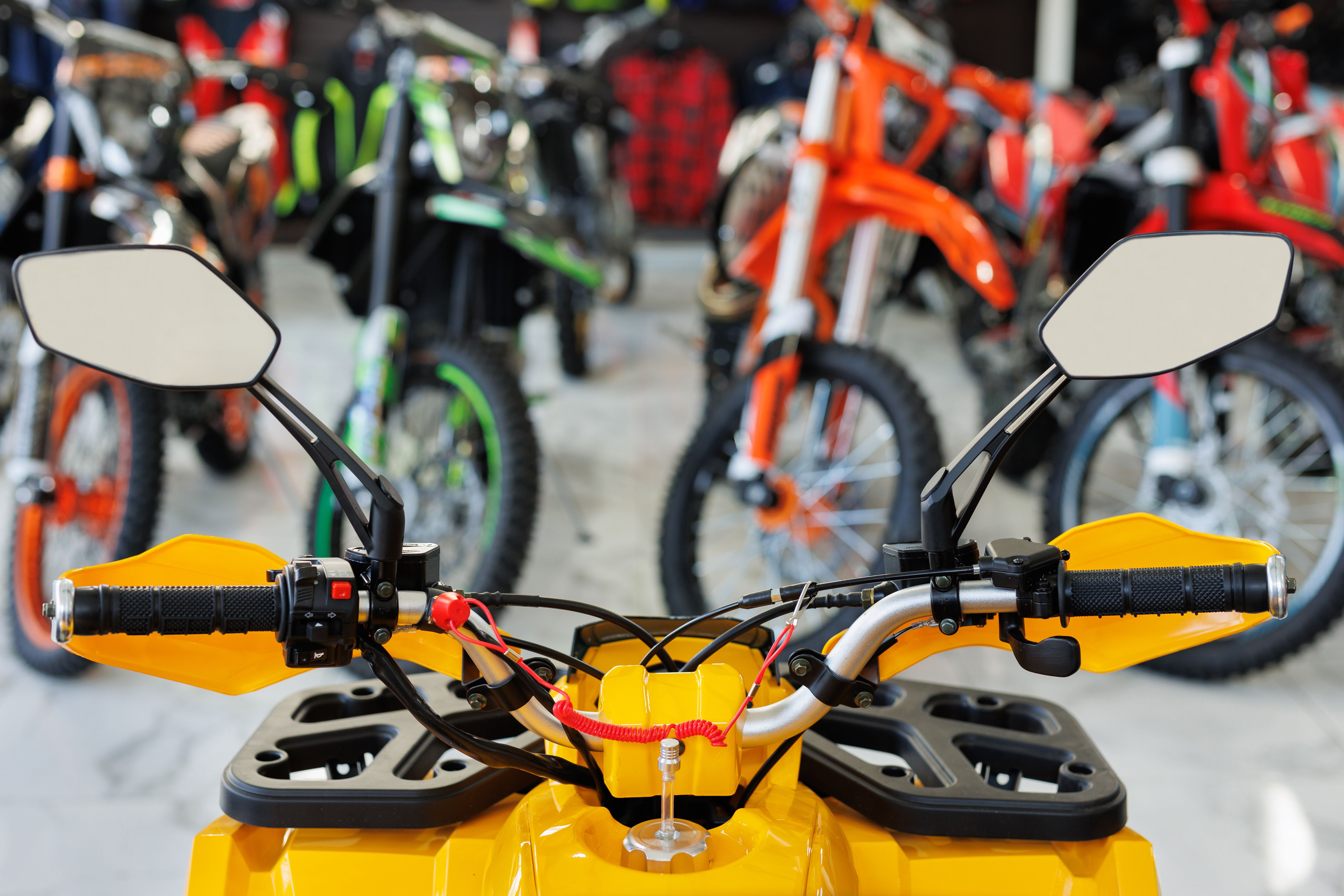
Powersports dealerships offer a unique range of vehicles, including motorcycles, ATVs, and personal watercraft. This diversity requires specialized training for sales and service teams. Employees must be well-versed in the technical specifications and performance capabilities of each type of vehicle. Additionally, customer interactions often involve discussing customization options, which necessitates a deep understanding of product features.
The training for powersports dealerships often focuses on enhancing the customer experience. Salespeople need to be adept at addressing customer queries and offering personalized recommendations. Moreover, technical training is crucial for service departments, ensuring mechanics can handle a wide range of maintenance and repair tasks efficiently.
Specialized Equipment and Tools
In powersports, the variety of vehicles means a diverse set of tools and equipment is necessary for servicing. Training programs must cover the use of diagnostic tools and repair techniques specific to each vehicle type. This can include everything from engine diagnostics to electrical system repairs.
To support this, many dealerships invest in ongoing training programs that keep their staff updated on the latest technologies and repair methodologies. This approach ensures that customers receive top-notch service, enhancing satisfaction and loyalty.
Exploring RV Dealership Training
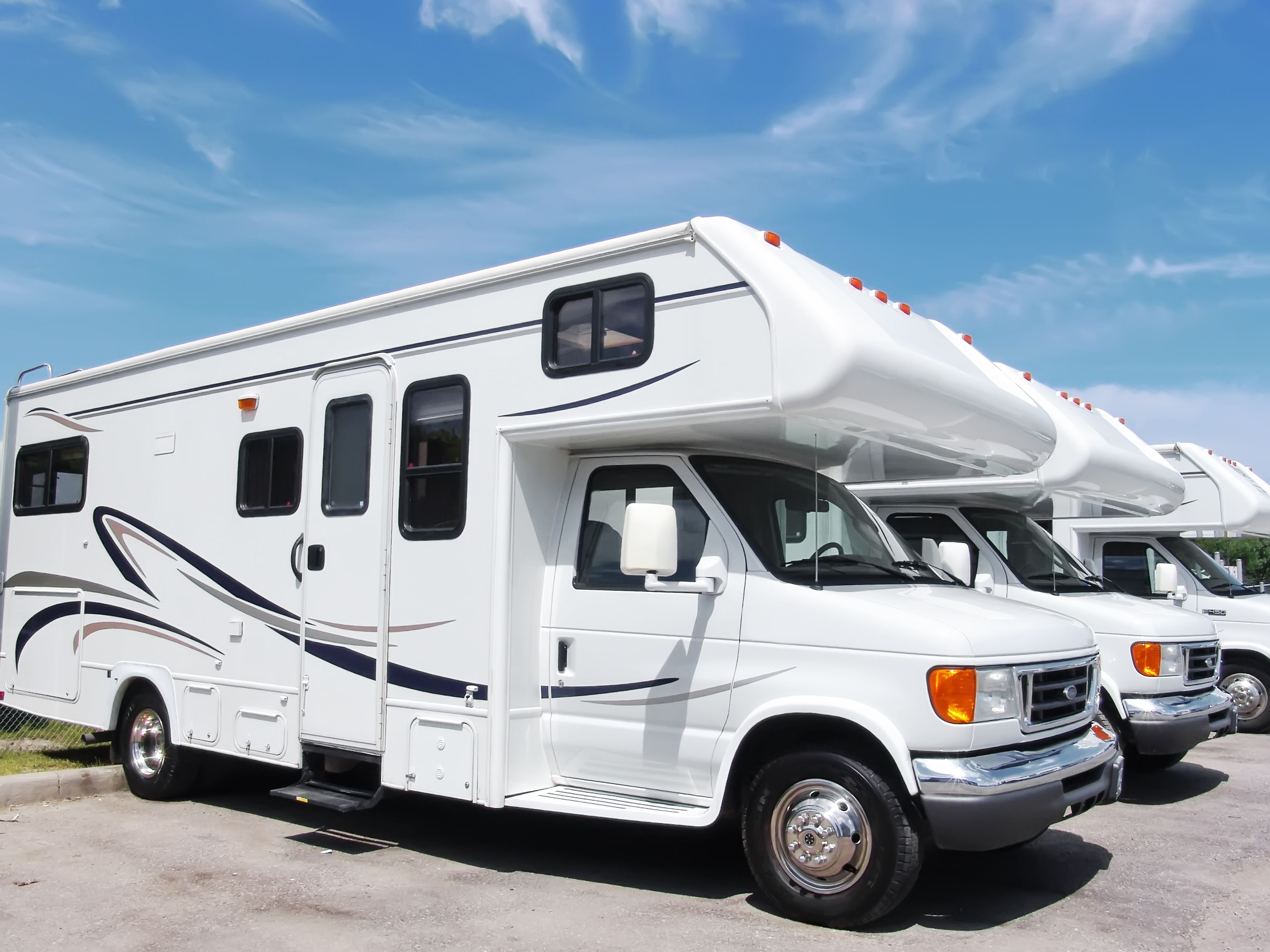
RV dealerships, on the other hand, focus on a different set of priorities. Recreational vehicles are complex, with integrated living spaces, utilities, and driving components. Training for RV dealerships encompasses not only vehicle mechanics but also the various amenities and systems within the RVs.
Sales training in RV dealerships often emphasizes understanding the lifestyle and travel needs of potential buyers. Sales staff must be able to convey the benefits of different floor plans, utilities, and features that enhance the RV experience. This requires a comprehensive knowledge of the product offerings and an ability to connect with customers on a personal level.
Customer Education and Support
Given the complexity of RVs, customer education is a crucial part of the sales process. Training programs often include modules on conducting thorough walkthroughs with customers, explaining how to operate various systems within the RV, from the kitchen appliances to the sewage disposal.
Moreover, service technicians in RV dealerships require training that encompasses plumbing, electrical, and HVAC systems, in addition to traditional vehicle mechanics. This multidisciplinary approach ensures that technicians can address a wide range of issues that may arise during RV ownership.
Comparing the Two Approaches
While both powersports and RV dealerships require specialized training, the focus areas differ significantly. Powersports dealerships prioritize technical and performance knowledge, while RV dealerships emphasize lifestyle compatibility and system functionalities.

Both types of dealerships benefit from regular training updates and workshops. These programs are essential in staying current with industry trends and technological advancements. By investing in comprehensive training, dealerships can enhance customer satisfaction and build a reputation for expertise and reliability.
Conclusion
Ultimately, the key differences in training needs between powersports and RV dealerships reflect the distinct nature of the products they offer. Understanding these differences allows dealerships to tailor their training programs effectively, ensuring their staff is well-equipped to meet the unique demands of their respective markets.
By focusing on the specific requirements of their industry, dealerships can improve their service quality, drive sales, and foster long-term customer relationships.